Pregnancy is an incredibly special time—but let’s be real: It can sometimes feel like your body is changing literally every day. One thing very few people think about at all? Your core muscles.
As your baby grows, your belly muscles stretch to create room, and sometimes they even begin to separate (called diastasis recti). It sounds a little scary, but it’s actually pretty common. The key is to know how to take care of your body during this period of time.
You can give your core a little support, help it avoid unnecessary strain with some awareness and small adjustments. See Here: LA-EMS Body Sculpting Havant: Targeting Diastasis Effectively
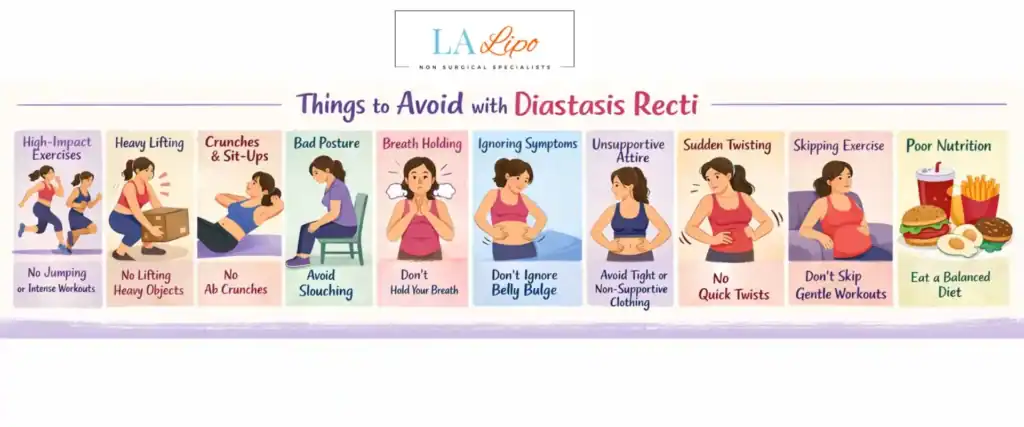
Here are some things you want to avoid doing:
- High-Impact Exercises: Jumping, sprinting, or intense workouts increase core pressure and can exacerbate muscle separation.
- Heavy Lifting: Picking up heavy objects without support stresses the abdominal muscles and can weaken your core as time goes on.
- Crunches and Sit-Ups: These exercises put direct stress on your belly, which can exacerbate diastasis recti.
- Bad Posture: Slouching or leaning back puts excess pressure on your core and can lead to back pain.
- The Basics of Breathing When You Move: Breath holding elevates your internal pressure, which can create excess tension and, in turn, overstress your core system, making it weaker.
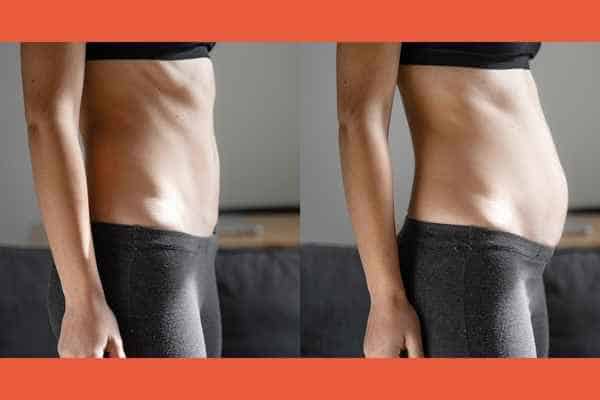
- Ignoring Early Signs of Abdominal Separation: Not addressing early signs like a bulge or gap can lead to more severe core weakness.
- Avoiding Unsupportive Attire: Without proper belly support, your core will feel tense and uncomfortable.
- Sudden Twisting Movements: Rapid or jerky twists may strain your abdominal muscles, increasing injury risk.
- Skipping Safe Prenatal Exercise: Not exercising at all weakens your core—gentle, prenatal movement helps keep you strong and stable.
- Poor Nutrition: Absence of the right food, for example, protein and vitamins, can prompt muscle frailty that can drag recovery.
Can Certain Exercises Make Diastasis Recti Havant Worse During Pregnancy?
Yes, certainly some exercises can make it worse if you’re not careful. Movements that directly press on the front of your abdomen — such as planks, crunches, sit-ups, or difficult ab work — can exacerbate the already stretched muscles.
Your core does not need pressure; it needs support during pregnancy. Which is why it’s best to do gentle, guided prenatal exercises that engage the deep core muscles (such as your transverse abdominis) rather than superficial movements. Think methodical, measured, safe — not intense. Check out: Diet and Exercise for a Healthier Tomorrow | LA Lipo Havant
Is Lifting Heavy Objects Harmful to Your Core Muscles?
In many cases, yes. Lifting heavy items increases pressure inside your abdomen, which can weaken the connective tissue holding your core together.
That doesn’t mean you can’t lift anything—but you do need to be mindful. If lifting is unavoidable, always use proper form, bend your knees, keep the item close to your body, and exhale as you lift. Most importantly, avoid straining or rushing.
Does Poor Posture Affect Your Core Strength During Pregnancy?
Absolutely. It’s easy, as your body changes, to slip into bad posture habits — slumping or leaning backward — that can put excess pressure on your abdominal muscles and lower back.
Over time, this can make your core weaker yet. Adjustments like sitting up straight, keeping your shoulders relaxed, and maintaining a neutral spine can do wonders to protect your core and alleviate discomfort.
Can Incorrect Breathing Techniques Weaken Your Core?
Yes, and that’s something most people don’t even consider. Holding your breath or breathing shallowly — particularly while moving — can increase pressure on your abdomen and strain your core.
Concentrating on slow, deep breathing helps to support your muscles and makes partaking in daily tasks feel safer and like you’re able to control them.
Is Ignoring Early Signs of Diastasis Recti a Mistake?
Honestly, it can be—especially because the early signs are easy to brush off. You might notice a small bulge down the middle of your tummy, a slight “doming” when you sit up, or just feel that your core isn’t as strong as it used to be. It doesn’t always feel serious at first, which is why many people ignore it. Want to know Our Treatment Price Havant? Click Here!
But paying attention early really does make a difference. The sooner you recognise what’s happening, the easier it is to take simple steps to stop it from getting worse. A bit of awareness now can save you a lot of discomfort and recovery time later on.
Does Wearing the Wrong Clothing or Support Impact Your Core?
Yes, it does more than you realize. Clothing that isn’t supportive can leave your growing bump unsupported, placing unnecessary strain on your abdominal muscles and lower back.
Supportive maternity wear or belly bands may distribute the load more evenly so that you are more comfortable in everyday movements and your core is not overtaxed. Get Your Dream Body With Our LA-EMS Havant Body Sculpting Treatment
Can Sudden Movements or Twisting Damage Your Core Muscles?
Yes, sudden or jerky movements can pull on your already overstretched abdominal muscles. Twisting suddenly, especially when getting out of bed or raising something, can drive up the risk of muscle separation.
Better to proceed slowly and with control. For instance, when you get out of bed, roll onto your side first before sitting up — little things like this make a real difference.

Is Skipping Safe Prenatal Exercise Bad for Your Core?
Yes. If you had decided to skip exercise altogether, sitting or lying around can weaken these muscles more.
Gentle, pregnancy-friendly exercise — walking, stretching, or guided prenatal workout videos — will keep your body strong, promote blood flow and energy moving in the body, and strengthen your core without stressing it.
Can Poor Nutrition Affect Your Muscle Health During Pregnancy?
Definitely. In order for your muscles to be strong and recover, they have to be properly nourished. Your body cannot support your changing shape without sufficient protein, vitamins, and minerals.
A balanced diet will not only help support your core but also prepare your body for recovery after your pregnancy.
When Should You Consider Professional Help for Core Recovery?
If you are concerned about the separation of the abdominals, feel weakness in your core during or after pregnancy (or both), it’s definitely worth getting a qualified professional to assess you.
Here at LA Lipo Havant, we know how essential it is to treat your body safely as we find ourselves in this position. With appropriate support and individualized therapy, you can restore your core muscle strength and gain confidence in your recovery process.

FAQS
Q: Can doing common ab exercises like crunches or planks during pregnancy actually worsen diastasis recti even if I feel no pain?
Yes. But even without discomfort, these moves can increase pressure in the abdomen and make your separation worse. Gentle core exercises that are safer are advised instead.
Q: Is it safe to lift everyday items like grocery bags or a toddler without damaging my core muscles Havant?
In general, light lifting is ok if done safely. Maintain proper form, exhale on the way up, and don’t overdo it.
Q: What are the early warning signs of diastasis recti that I should not ignore during pregnancy?
An early indication is a visible bulge, doming, or core weakness.
Q: What kind of breathing technique should I follow to protect my core during daily activities?
Breathe deep and controlled, and engage your core lightly as you exhale.
Q: How can I tell if an exercise I’m doing is putting too much pressure on my core during pregnancy?
Signs to watch for are doming in your stomach, discomfort, or instability. These set off red flags that you are overloading your core.
Q: How does breathing incorrectly during pregnancy affect my core strength and muscle recovery?
Poor breathing leads to increased intra-abdominal pressure and thus lower core stability.
Q: Why does my posture matter so much during pregnancy when it comes to protecting my core muscles Havant?
Weakening muscles through lack of activity over time, poor posture puts extra pressure on your core and back.
Q: What is the best way to improve my posture during pregnancy without feeling uncomfortable or stiff?
Maintain an upright position, avoid tension in your shoulders, and use support such as pillows or footwear.
For Further Information, Please Call Us ON 03300 100 238