Age Spots Havant on Skin: Understanding the Causes in Elderly People
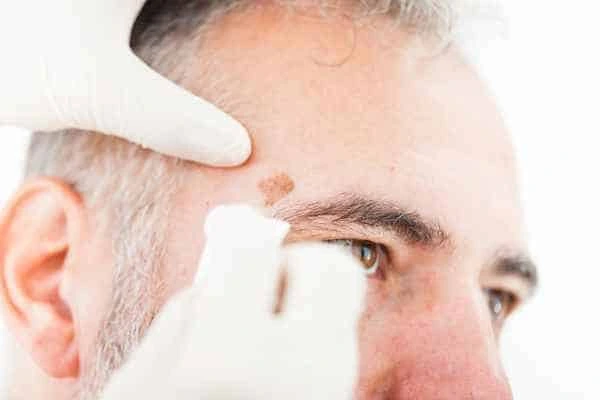
While spots can affect people of all ages, they are more common in elderly individuals. But why do elderly people get these spots on their skin?
In this article, we will explore the causes of sunspots and the available treatment options.
What Causes Age Spots Havant in Elderly People?
As we age, our skin becomes thinner and loses its elasticity, making it more prone to damage from the sun’s UV rays. Additionally, elderly individuals may have had more cumulative exposure to the sun over the course of their lifetime, which can lead to the development of sunspots.
Other factors that can contribute to the development of spots in elderly individuals include:
- Genetics: Some individuals may be more predisposed to developing spots due to their genetic makeup.
- Hormonal changes: During menopause, hormonal fluctuations can lead to increased melanin production, contributing to the development of these spots.
- Certain medications: Some medications can cause skin discolouration, including spots.
- Health conditions: Certain health conditions, such as diabetes, can also contribute to the development of sunspots.
FAQs: Age Spots & Elderly People
Q1: Why do spots become more common as people get older?
A: A few reasons:
- Over time, skin becomes thinner and loses elasticity, making it more susceptible to damage from UV rays.
- Cumulative sun exposure over decades causes more pigment-producing cells (melanocytes) to respond, leading to more spots.
- Age-related changes in skin repair mechanisms may reduce how well melanin is managed in older skin. (While not spelt out in the article, this is implied by the increase in spots with age.)
Q2: Aside from sun exposure, what other factors increase the likelihood of sunspots in elderly people?
A: Some other contributing factors include:
- Genetics: Some people are predisposed to develop more pigmentation or spots.
- Hormonal changes: For example, during menopause, fluctuations can occur that affect melanin production.
- Medications: Certain medications can cause skin discolouration.
- Health conditions: Conditions like diabetes may contribute to skin changes, including sunspots.
Q3: Are sunspots in elderly people harmful or a sign of disease?
A: Generally, no. Sunspots are benign.
However:
- If a spot changes in size, shape, colour, or starts bleeding or itching, it’s wise to have it assessed by a medical professional. (This is a standard caution, though not always detailed in the article.)
- Additionally, certain medications or health conditions that contribute to spot formation may have broader skin implications, so overall skin health should be closely monitored.
Q4: What treatments are safe and effective for elderly people wanting to reduce or remove sunspots?
A: Options include:
- Cryotherapy (freezing spots so they peel off) – this is a standard, relatively quick method.
- Laser therapy – using targeted light to break up pigment.
- Chemical peels – applying solutions that remove the outer pigmented layers.
- Topical creams – containing agents such as hydroquinone, retinoids or corticosteroids, which can lighten spots over time.
Q5: Are there special considerations for treating sunspots in elderly skin?
A: Yes — when treating these spots in older individuals, some extra care is needed:
- The skin is thinner and more fragile, so that healing may be slower, and the risk of irritation, pigmentation changes, or damage may be higher.
- Underlying health conditions (e.g. circulation issues, diabetes) may affect recovery.
- Medications that affect skin sensitivity must be considered.
- Aftercare is crucial: sun protection, moisturisation, and avoiding irritation.
Q6: Can elderly people prevent sunspots from appearing, or at least slow their development?
A: Yes — preventive strategies are effective:
- Use broad-spectrum sunscreen regularly, even on cloudy days.
- Wear protective clothing, hats, and sunglasses.
- Limit sun exposure, especially during peak UV hours.
- Maintain skin care routines that support skin repair (moisturisers, antioxidants, possibly retinoids if suitable).
- Regular skin check-ups to catch early changes.
Q7: How long does it usually take to see improvement or results after treatment for sunspots in elderly skin?
A: It varies depending on the size and depth of the spot, the method used, and the individual healing rate. Some fading or peeling may occur within a few weeks, but full improvement may take several weeks to a couple of months to complete. Additionally, multiple sessions may be required for deeper or larger areas.
How to Treat Age Spots Havant in Elderly People?
While spots are generally harmless, they can be a source of concern for elderly individuals.
There are several treatment options available for spots, including:
- Cryotherapy: this is FDA-Approved.
- Cryotherapy involves freezing the spots with liquid nitrogen, causing them to peel off over time.
- Laser Therapy: involves using a laser to break up the pigment in the sunspots, causing them to fade over time.
- Chemical Peels: involve applying a chemical solution to the skin, causing the outer layer to peel off and revealing new, spot-free skin.
- Topical Creams containing hydroquinone, retinoids, or corticosteroids can be effective in reducing the appearance of spots.
Age spots are a common skin condition that can affect individuals of all ages, including the elderly. While they are generally harmless, they can be a source of concern for many. LA Lipo offers safe and effective treatments for removing spots, helping you achieve clear, spot-free skin. Contact us today to learn more about our spot removal treatments.